Deciding on a Gala Event Venue? Don’t Make These 3 Mistakes

Organizing a memorable gala is no simple feat.

As an event planner, you know every detail matters – from the decor to the catering, and everything in between.

However, one element reigns supreme: the venue selection.

Choosing the perfect location can make or break your gala's success.

It’s that pivotal.

To help you navigate this tricky terrain, let’s explore three common venue selection blunders and how to skillfully avoid them.

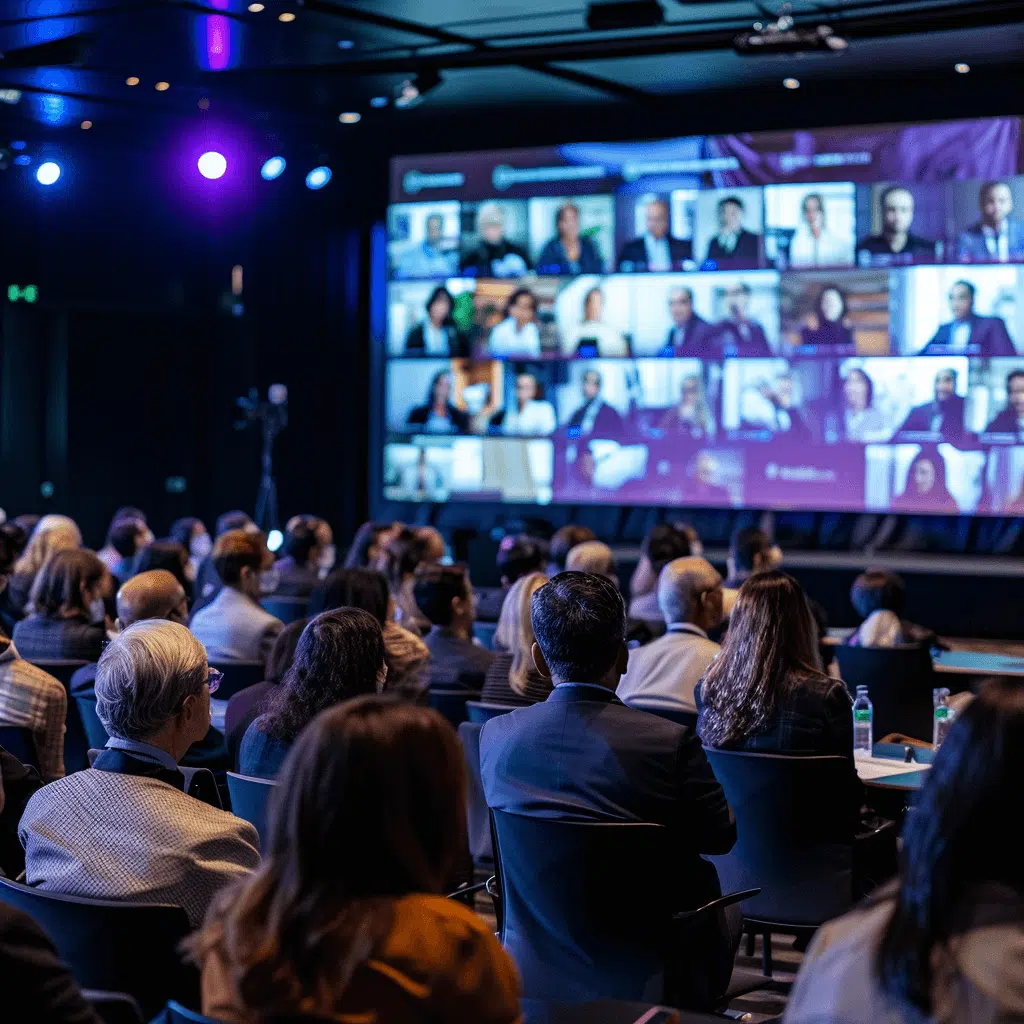
A large group of people watching a large screen.

One Event. Two Experiences.

Skillfully engage both your in-person and online attendees through our cutting-edge hybrid event production services.

1. Logistical Lapses

a reception hall during a crowded party with blurred string lights in the background

A venue’s aesthetic allure might be love at first sight, but looks can be deceiving.

Failing to scrutinize logistical factors like accessibility, parking availability, and layout can lead to major headaches down the line.

These logistical snags can swiftly sour the experience.

Ensure the venue offers convenient transportation options, ample parking spaces, and a sensible layout tailored to your event flow.

Don’t let logistical lapses undermine your vision.

2. Technical Turbulence

In our era of high-production events and immersive experiences, a venue’s technical prowess is paramount.

Neglecting to vet audio-visual capabilities, lighting setups, and Wi-Fi connectivity is a surefire recipe for subpar presentations, lackluster performances, or internet woes.

Thoroughly assess each potential venue’s technological amenities to guarantee they meet your exact specifications.

Your gala’s production value depends on it.

Easy starting packages • Advanced options • Proven results

3. Contract Chaos

While it may seem like a formality, the venue contract is a legally binding agreement safeguarding both parties.

Skimming the fine print or neglecting to clarify ambiguities can expose you to unexpected financial risks, logistical nightmares, or even legal woes.

Take the time to scrutinize every clause, negotiate favorable terms aligned with your event needs and budget, and iron out any ambiguities.

This upfront investment pays dividends in peace of mind.

Need Professional Advice? Partner with We & Goliath

With these common pitfalls in mind, you’re better equipped to navigate the venue selection gauntlet.

However, if you still feel adrift, our seasoned event team at We & Goliath is here to lend their expertise.

Just give us a call – we’ll set you up with a complimentary consultation to ensure your gala venue search starts off on the right foot.

After two decades orchestrating flawless events, we know all the right moves to sidestep these rookie mistakes.

Related Resources

8 Inspired Corporate Event Ideas: Wow Attendees!

Corporate events have become more than just a way to celebrate milestones or reward employees. Today, they’re also a great opportunity to build relationships with clients and partners. 

Whether it’s a company picnic or a team-building retreat, there are plenty of ways to get creative corporate event planning. We’ve got some unique and fun ideas for you to try out this year.

Corporate Event Ideas for Team Building

Teamwork is the backbone of any business, but sometimes it’s hard to see how much work goes into making a successful team. Team-building events are a great way to help people bond and even learn new skills together. There are many ways to incorporate team-building activities into a corporate event.

Here are some ideas that can be done in any setting:

Scavenger Hunts

Scavenger hunts are a classic game that everyone loves. They’re easy to set up and require little preparation time. You can use them as a part of a larger event or create a separate scavenger hunt for each group in attendance. 

A team retreat is often the perfect setting for a scavenger hunt. It gives everyone a chance to explore the area while learning something new at the same time. 

Basic items for this event:

  • A map of the area where the event takes place
  • A list of items to find (e.g., a picture of a certain landmark)
  • A prize for each item found 
  • Mix it up by adding clues to the items. For example, if you want to give away prizes related to nature, add a clue about the location of a nearby lake. Or, if you want to encourage creativity, include a word scramble puzzle at some point. Tailor the game around specific event themes. Here are a couple that you could try: 

    1. Around the World: This hunt takes participants to different parts of the world, either in person or through pictures and items.
    2. Movie Scenes: Participants have to find objects or scenes from popular movies.
    3. Geography: Teams could be given a list of questions about geography and asked to complete tasks related to the answers.
    4. Zodiac Signs: Participants must find items related to the twelve zodiac signs.

    Pro Tip: You don’t need to spend a lot of money to make a scavenger hunt fun. Use inexpensive prizes that match the theme of your event if you have one (e.g. candy bars for Halloween-themed company events).

    This event idea is a great fit for outdoor venues but can also be done indoors with the right planning. If you want to stir up some healthy competition among teams, you can also assign points based on who finds the most items.

    Four people laughing during a game of departmental family feud.

    Departmental Family Feud

    Another corporate party idea worth considering is departmental family feuds. It’s especially perfect if you’re catering to a small number of people since it doesn’t take too long to prepare. 

    The basic premise of this event is simple: teams compete against each other in various categories. Each category has its own rules, which makes it easier to keep track of who wins what.

    Everyone gets to know each other better by playing a game that requires them to share personal information. The goal is to win points by answering questions correctly. 

    This type of event works well for smaller groups because it doesn’t take long to play. It’s also a good icebreaker for large groups since it allows people to get to know each other without feeling like they’re being interrogated.

    What you need for this event:

  • A table with chairs and a microphone
  • Questions and Answers for the game
  • One way to come up with questions for a family feud game is to think about things that are common interests for coworkers. 

    Ask people to share their favorite movies, books, or TV shows. It’s a good idea to come up with a range of questions so that everyone has a chance to answer. 

    If there are people who are shy or don’t want to answer, have them pick a number and then read the corresponding question.

    Pro Tip: Provide enough space for everyone to sit comfortably. Also, make sure you have plenty of batteries for the microphones.

    DIY Escape Rooms

    Escape rooms are a popular option for corporate event activities. They’re a unique experience that combines puzzles, clues, and challenges to solve in order to escape a locked room. 

    A woman inside a DIY escape room reading one of the clues to solve the puzzle.

    These special events are usually designed around a specific theme, which makes them ideal for themed parties. They’re also a great way to teach employees about safety procedures and preventative measures.

    Basic items for this event:

  • An escape room kit
  • A big-enough room for a participating group
  • A key
  • When planning an escape room event, it’s important to create a challenging and fun experience for participants. Here are some tips to help make your event a success:

    1. Choose the right escape room kit. There are many different kits available, so be sure to select one that fits the theme and difficulty level you’re aiming for.
    2. Set the stage. Decorate the room to match the theme, and make sure it’s big enough for the number of participants.
    3. Create interesting clues and challenges. The puzzles and challenges should be engaging and challenging, but not so difficult that participants get stuck.
    4. Keep things moving. Participants should be constantly engaged in the activity, so make sure there’s plenty of action happening throughout the event.
    5. Provide instructions and hints if needed. If participants get stuck on a puzzle, be prepared to offer them some help without giving away too many clues.

    Pro Tip: If you don’t have a particular theme in mind yet, try going for something that’s easy to set up and customize. For example, transform any regular old conference room into a Detective Agency-themed room with the usual office items lying about if you put your mind to it.

    Easy starting packages • Advanced options • Proven results

    Corporate Event Ideas for Outdoor Gatherings

    The great outdoors is a wonderful place to throw an event together. Coupled with good execution, these outdoor events are guaranteed to bring out the best in attendees. If you’re looking to throw together something more than just a casual picnic, here are some suggestions you could try:

    Brunch or Dinner Cruise

    Nothing tops a nice meal by the water — maybe except a meal on the water. And that’s the experience you can give your attendees when you combine a brunch cruise or dinner cruise with your corporate party. 

    This type of social event is especially suitable for groups of 10 or fewer. Your guests will enjoy delicious food while enjoying views of the lake or ocean. 

    Basic items for this event:

    To throw an event cruise, you’ll need a boat, preferably one that has enough space to accommodate your guests. You’ll also need catering for the event, as well as drinks and utensils unless you’re planning to see to all of that personally. If you’re hosting a more formal dinner cruise, you may want to provide music and entertainment as well.

    Although this is surely one of the more expensive options on this list, you’ll be surprised how inexpensive boat rentals can get. And so long as you keep the event within the charter schedule, you’ll be fine. Yachts are of a relatively good size for 10 or so people.

    Always plan for more attendees. Just be careful about blowing up your budget. Find a happy medium between expectations and the reality that fewer people may show up if you overestimate.

    As for the other arrangements, here are a couple of ideas to try: 

    1. Catering: Hire a caterer to prepare all the food for you. Or you can do it yourself. Either way, find a location where you can serve the food. It’s best to choose somewhere close to the boat since you won’t want to carry heavy dishes around.
    2. Drinks: You’ll need to stock up on beverages for your guests. Make sure they include beer, wine, soft drinks, and juices. You might even want to add a few cocktails to the mix.
    3. Entertainment: Depending on what event type you’re planning, you might want to provide live music or entertainment.

    Pro Tip: If you’d rather go the traditional route, rent a houseboat. Houseboats are generally larger than other types of vessels, making them better suited for large groups.

    Two males grilling during a company barbecue event on a park, parasols and people surround.

    Traditional Summer BBQ

    Summertime is synonymous with barbecues, picnics, and relaxing around the pool. There’s something about the classic barbecue theme that makes it feel like a special occasion.

    What better way to celebrate the season than with a corporate party idea that feels like a vacation?

    From the food to the décor to the drinks, plan ahead so everything goes smoothly. The best part? You can accommodate a good number of people and it’s a lot less expensive than renting a yacht!

    Basic items for this event:

  • A grill, charcoal, and grilling accessories (like tongs).
  • You’ll also need beverages and plates and cups.
  • This type of event is ideal for small groups of 5 or fewer.
  • Barbecues are a great setting for everybody in the company to shoot the breeze and get to know each other in a less-than-formal setting. Mood setting is important. Here are some ideas to try and match:

    1. Location: Local parks, lakesides, beaches, or community centers are great options for event spaces. They’re free, and you won’t have to worry about finding a location that’s big enough to fit all your guests. Plus, you’ll have plenty of room to spread out. Check for reserving locations ahead of time. Many communities will require reservations for pavilions and grill sites months ahead of time. Call the local city parks and recreation department to ensure that the space is available on your event day.
    2. Theme: Something lighthearted would work really well. Think “summer” or “beach.” Or maybe you want to do something creative like a “family day at the zoo.” Whatever you choose, just make sure it fits the vibe of your group.
    3. Food: Barbecue is a pretty casual affair, so don’t overthink the menu. Just stick to the basics: burgers, hot dogs, chicken, ribs, etc. For dessert, you might want to serve ice cream sandwiches or popsicles. You can also just do outreach to a couple of regional food trucks interested in catering to your event. This is also a great way to get the local community involved in your event.
    4. Decorations: Keep it simple. Use balloons, streamers, and flags to create a festive atmosphere.
    5. Music: Turn off the radio and crank up the tunes. This is a time when everyone should be able to enjoy themselves without worrying about what they’re listening to. Hire a good DJ to spice things up.
    6. Drinks: Make sure you stock up on beer, wine, water, and soda. Also, if you’re planning on serving alcohol, make sure you have enough glasses, bottles, and corkscrews.

    Pro Tip: Start by picking a date and time that works best for your guests, and remember to set aside plenty of space for parking and setup. Consider how many people you’re expecting to bring along since seating and dishes will take up some room. 

     It’s always an excellent idea to have plenty of vegan options on the table. To make it feel like an extra special event, arrange for some fireworks after dinner. 

    Office Sports Tournament

    Speaking of fun events, summer is the perfect season to hold an office sports tournament. 

    It’s a great way to get everyone out and moving about. but it’s also a great way to bring people together for some friendly competition, foster camaraderie, and give everyone some fun activities to do.

    four people competing in a sack race during their company sports tournament

    Basic items for this event:

  • A wide open area where everyone can play
  • Tables and chairs
  • Someplace to store equipment
  • Plenty of water and snacks
  • What makes this fantastic as an option is that it can easily be integrated into other events like Summer Barbecues as a prelude activity. 

    It also gives you a lot of room to accommodate any sport or activity that your attendees are interested in. All you need to do is provide them with a list of rules, and then let them go wild.

    Here are some examples of sports tournaments you could organize:

    1. Venue: Your local park or sports center is great for venues. Try to find one with enough seating available for everyone in attendance. If you can find a venue that’s suited for your chosen sport (i.e. a basketball court if you chose basketball), all the better.
    2. Themes: Pick a sport that everyone knows and loves. Maybe it’s football, baseball, basketball, soccer, hockey, golf, tennis, or even volleyball. Then, pick a game that’s easy to learn and doesn’t require much equipment.
    3. Food: Serve pizza, nachos, popcorn, chips, cookies, and sodas. Anything goes as long as it’s healthy and filling.
    4. Decorations & Music: Set up tables and chairs in the middle of the field or court. Bring in some decorations such as banners, pennants, and flags. Have music playing in the background.
    5. Drinks: Stock up on water, juice boxes, energy drinks, and your drinks of choice. Don’t forget to keep plenty of cups around for refills.

    Pro Tip: The most important thing to keep in mind is safety. Showing team spirit is fine and is encouraged, but don’t push anyone too hard. Keep an eye on kids at all times if you have any in attendance, and make sure there are adults present who know how to handle situations. 

    For an easier time, have someone designated as the referee or a game expert who has some experience officiating sporting events. Also, make sure you have a first aid kit on hand.

    Corporate Virtual & Hybrid Events Ideas

    People in an office celebrating after meeting a goal during a virtual fundraising event

    The worst of the pandemic is finally behind us, and there are many lessons in its wake. One of them is that events need not be strictly in-person; you can hold virtual hybrid events that are just as impactful and as memorable as one attended physically. 

    What’s more, the technology to make this happen has been around for a while now and is readily available to everyone at little to no cost. The following are some event types to explore:

    Virtual Fundraiser Parties

    Fundraising parties are a great way to raise money for causes close to your heart. They’re also a great way to connect with others who share similar interests, which is why they’re often held during social gatherings. 

    But what happens when those social gatherings aren’t happening? Well, you can still throw a fundraiser party virtually, and it won’t be any less of a memorable experience than one held in person.

    Basic items for this event:

  • A laptop computer or tablet
  • A screen projector
  • Microphones, speakers, and a laptop/tablet computer.
  • The fundamentals of your online fundraiser are fairly easy to set up:

    1. The first order of business: decide on a charity or cause to sponsor. If you already have one in mind, great! Otherwise, choose something that’s relevant to your company and/or industry, or something that your attendees are likely to care about in particular.
    2. Next, reach out to the beneficiary of the cause or the nonprofit’s community of staff and volunteers to inform them of your plans. Do this well before the event date, but don’t wait too late because you may miss out on potential sponsors and participants. Once you’ve got their approval, start planning the details of the event. Create an interactive fundraising page on your website where people can donate, register for tickets, and sign up to volunteer.
    3. On your fundraising page you’ll want to include information about the cause, how much you hope to raise, and a link to your website’s event page. Note that not all fundraising platforms are the same; some cater better or have more features related to particular niches such as game development or medical crowdfunding, so make sure to pick one with a niche closely related to your cause.
    4. Finally, invite friends, colleagues, and other like-minded people to attend the virtual event and donate via email or text message.

    There are actually several ways to go about the virtual fundraiser event itself. You can do something as formal as a Virtual Fundraising Gala, or it can be as simple as a Virtual Quiz Night.

    If you’re looking for inspiration, check out our article about the different types of virtual fundraising events.

    Pro Tip: You may think that planning a virtual fundraising event would require a lot of work, but it really isn’t. In fact, most of the time spent planning and organizing the event is done beforehand.

    Once you get started it should only take a few hours. It’s worth noting that if you’re hosting a large number of people, you might want to hire someone to help you manage the logistics of the event.

    3 attendees dancing in front of a projector during a hybrid music festival

    Hybrid Music Festival

    If you want to take things up a notch, try hosting a live music festival — that also takes place online! If you’re wondering if this type of hybrid event is at all novel, no it isn’t. 

    It just used to happen on TV when there were live concert broadcasts. But today, you don’t need all the expensive tech to make it happen for your attendees.

    Basic items for this event:

  • A laptop computer or iPad
  • A microphone, speaker, and a laptop/iPad computer.
  • A livestreaming website like YouTube or Twitch
  • While the tech to make this happen is fairly accessible, you’ll find very quickly that quality radically changes from one event type to another. Production quality, sound, lighting, etc., vary widely depending on what kind of production you want to put together.

    The good news is that you can easily create a high-quality experience without spending a fortune. For example, you could use livestreaming sites to broadcast the event in real-time or create a custom site for your broadcast (if you need help with that, reach out!). 

    Then, you’d simply need a decent enough camera and microphones to capture audio and video during the event. This option is great for small events since you won’t need any fancy equipment. However, if you want to stream a larger event, you’ll likely need to rent a professional setup. 

    Unless you have in-house talent performing (which is perfectly okay if you’re doing this as a company talent show), you’ll probably have to do some outreach to artists performing at your festival to stream their sets. This could mean paying them directly or using a service like GigSalad to connect you with local performers.

    This is a great way to showcase your brand, build awareness, and give back to the community.

    Pro Tip: When it comes to producing a hybrid music festival, you’ll want to choose a location that has a decent amount of space, both for your attendees and for the camera equipment setup.

    Ensure the area where you set up your cameras is relatively quiet so the noise from the crowd won’t interfere with the audio!

    Corporate Events Don't Need to Feel Corporate

    There’s nothing wrong with having a corporate feel to your event. However, sometimes companies forget that not every event needs to be formal and stuffy. At the end of the day, corporate event activities should be an exercise in celebrating, having fun, and giving back, and it’s important to maintain that tone whether you’re planning a small gathering or a massive conference.

    With the right ideas and approach, you can turn any event into something memorable and enjoyable for everyone involved. And if you’ve got any questions about how to pull off a successful virtual event, let us know! We’d be happy to help you turn your corporate event ideas into reality.

    Related Resources

    Step Up Your Livestream with… Not Live?

    Pre-recorded video footage is not the first thing people think about when planning virtual events. They envision panelists, performers and plenary speakers in their raw, real-time broadcast.

    But pre-recorded content can be a game-changer for your virtual event strategy. It can be used to promote the event and mobilize registrants. It can be spliced into a livestream interview or presentation.

    If you’re reading this, you’re obviously smart enough to save your business or organization lots of money by taking events virtual. Invest part of that surplus in pre-recorded video, and you can do things like:

    ☑ Create a seamless brand or cause narrative before, throughout, and after your event.
    ☑ Get more bang on your production budget dollar. 
    ☑ Problem-solve the conflicting schedules of speakers, celebrities, and others of prominence.
    ☑ Engage your registrants/attendees with tips & teasers in a cause-conscious voice.
    ☑ Bridge the gap between time zones and geography to create shared experiences.

    The list could go on, and it will. 

    If done strategically, pre-recorded video production creates lasting, shareable marketing assets at scale, alongside your virtual events and brand story.

    Benefits of Pre-Recorded Video

    Picture this: You’ve done your research on the benefits of virtual events. You’ve surveyed peers in your professional network. You’ve assessed vendors, event platforms, producers and strategists.

    Most importantly: You have the green light from your decision makers to invest in virtual events. But how should you invest? Pre-recorded video production will be a key consideration. To help you understand why, we’ll cover some benefits.

    Minimize your Margin of Error

    Pre-recorded content requires more planning and pre-production but eases the stress levels on the day(s) of the event. After all, one reason you’re investing in pre-recorded content is to ensure that fewer things will go wrong. The more that you can “set it and forget it,” the more time you have for other concerns, like backstage prep for livespeakers.

    Resolve Conflicting Schedules

    Pre-recorded video helps organizations realize numerous creative and promotional opportunities. But oftentimes the primary reason for choosing this production medium is to resolve conflicting schedules. This is especially helpful in cases where presenters are in radically different time zones. It also helps when your event includes celebrities or other people of prominence, whose schedules and travel considerations can be challenging.

    Creative Opportunities Abound

    True, pre-recorded content makes many aspects of virtual event management easier. But it is more than a means to an end; it’s an opportunity to showcase your creativity. To leave your audience with a “wow” factor.

    The livestream elements of your event may be impressive, but they’re subject to the rough edges of any livestream production — the unexplainable feed glitch, the speaker who left himself on mute, etc. A pre-recorded segment allows you to polish the imperfections, and add elements like synchronized, split-screen displays (e.g., speaker on the left; presentation notes on the right), documentary footage, and B-roll.

    Micro Content Creation

    The investment that you put into creativity only increases the value of the video asset that you create. Anticipate the role this content can play after the event, not just during. With this lens, you can create content that tells a timeless story. This is also your chance to curate the “perfect scenario” of brand voice, messaging, and call to action.

    That said, be sure to future-proof your production plan on pre-recorded video. Avoid messaging that might date or limit the impact of your content. Identify snippets that can be packaged into “shorts.” Utilize these independent segments in future social media posts, advertisements, and website/blog content.

    Improve the Accessibility of Your Virtual Event

    Any savvy marketer knows the importance of accessibility — accurate closed captioning, thorough information describing & identifying the video, a picture-in-picture interpreter. A pre-recorded video production is an opportunity to check all the boxes in accessibility. It’s also an opportunity to set the tone for your other post-event video productions (i.e., recordings of the livestream footage). If you’re working with a production agency, this is a good time to negotiate accessibility standards on all the footage they produce for you.

    Data-Informed Sneak Preview

    Pre-recorded video that is aired before or during an event can provide a “sneak preview” of how your audience will react to your content. Metrics like drop off rates, shares and time-of-day activity can help inform the way you engage with your audience during the crucial weeks after the event.

    Build Confidence & Authority

    Businesses and organizations that have invested in pre-recorded video production usually enter into their livestream production with greater confidence. Why? Because they’ve been through a process that forced them to revise and refine their messaging points. They already know how their brand and call to action are supposed to look and function in the spotlight.

    Livestream vs. Pre-recorded Video

    The benefits of pre-recorded video make it clear when and why this format is preferred over livestream. A general rule of thumb is to leverage livestreaming to enhance the participatory, community-engaging and conversational elements of your event.

    Take the example from above about the conflicting schedules of celebrities and persons of prominence. What about those whose schedules are a perfect fit? These people suddenly become key assets to your livestream experience. Attendees can access and engage with them in real time. This raw exclusivity provides value to day-of attendees and even to post-event recordings and highlight videos.

    However your pre-recorded vs. livestream production efforts shake out, it is important to be transparent with your audience. Communicate what they are about to see and why. When prompted, people usually accept the media format for what it is.

    And pre-recorded content doesn’t preclude interaction! These same celebrities can interact with both in-person and virtual-only audiences (in the cases of hybrid events) through moderated chat and other interactivity.

    Use Cases for Pre-Recorded Videos at Virtual Events

    Pre-recorded video can play a key role before, during and after your virtual or hybrid event. The common thread running through each case is that the message, timing and delivery are under your control. This is why it is important to take inventory of all the scenarios in which pre-recorded video can be put to use.

    Besides, video production is an investment. You want to multiply those assets into as many usable formats as the budget allows.

    Promote Your Event with Pre-recorded Video

    Event promotion is one of the most common use cases of pre-recorded video. Pre-recorded video offers the perfect formula for everything a promo needs to be: A concise, catchy, controlled message that includes event details and calls to action.

    Popular components of promotional video content include teasers of what to expect (e.g., celebrity performance), quick-take interviews with speakers, testimonials and video and photographic footage of past events. The message itself can range from registration reminders to the announcement of a contest or some other unique feature of the event.

    An important guideline in producing promotional content is consistency of message and experience. The look, feel and orientation of your video content should “be at home” with the landing page, email campaigns and social posts that promote it.

    Pre-recorded Video During Your Event

    The role that pre-recorded media plays during your event is similar to the one it plays in promotion: Generate and maintain excitement about the event. Common uses of pre-recorded video during events are:

    ☑ Animated and/or illustrated explainer videos between sessions
    ☑ Mini-documentaries and thought leadership features during or between sessions
    ☑ Slide shows as filler content between event sessions or as transitions
    ☑ Promotional messages from sponsors and partners
    ☑ Teasers for upcoming sessions
    ☑ Entertainment and performing arts

    Virtual and hybrid conferences that take place over the course of several days stand at a special advantage with in-event video. Some will solicit testimonials, reactions or even performances from current attendees, and air them in a produced video on the following day.

    In one example, the 12.5-million-member American Federation for Labor – Congress of Industrial Unions (AFL-CIO) produced an attendee-performed cover of Katy Perry’s “Roar,” as a full-length, labor-lyricized track. The song was lip synced by multiple labor unionists from as many locations, and recorded two hours before it aired.

    Post-Event: Where Livestream Becomes Recorded

    The best part about the post-event phase is that your in-event, livestream videos turn into recorded video! The potential for highlight videos and event recaps is endless. Create a version for each of your audience segments. Spotlight memorable moments and quotes. Announce the winners of contests and the achievements of the event itself.

    Highlight Videos

    A great way to maximize your event’s reach is with a short highlights video. They help extend audience engagement after the event. Our highlight videos start with your favorite recorded clips, mixed into a short video designed for social media and email sharing. The finished product comes in three sizes corresponding with social platforms (square, horizontal, and vertical), with headlines and captions, plus a picture-quote. This includes custom thumbnails that your speakers and attendees will love to share.

    Not only are you armed with more content in the post-event phase, you have the control. Post-event video content can help solidify the experience and sense of community that your event created. This is your opportunity to hone in on key messages and moments that make your brand or cause shine.

    Why Virtual Fundraising Events Are Here to Stay

    There are two near-universal qualities that set fundraising events apart from other virtual events, making them worthy of special attention. First, the entire event apparatus itself has to be optimized for donation conversions — everything from the visual appeal and user experience of a given webpage to the payment processing and confirmation experience. The same can be said for all the content marketing leading up to, during, and after the event.

    The second factor is seasonalism. All nonprofits are familiar with the pressures of year-end fundraising. Despite the market saturation of consumer ads and competing charities of that time of year, donors are ready to give. It’s part of our culture for a number of reasons. You can’t un-convince donors that year-end is when they should donate. After all, it’s their last chance to do something good – and get a tax deduction for it – in that year.

    Aside from year-end, every nonprofit has its own culture of seasonal giving as it relates to their cause. Examples include charity races in the Spring and Summer months (often around a holiday like Memorial Day or Labor Day), where nonprofits encourage their constituents to team up (a.k.a. “team raisers” or “friend raisers”) or go solo in a friendly race competition (running, biking, etc.) where donors commit to a dollar-per-mile scenario for their favorite racer or team.

    The onset of the COVID-19 pandemic made many nonprofit organizations turn to virtual fundraising events. Yet as pandemic concerns subsided, the appetite for these events did not. To the contrary, the early adopters of virtual fundraisers are planning their next year-end galas as hybrid events — in-person events with a virtual component. To not do this would be to leave opportunity, and vital donations, on the table.

    How Do You Fundraise Virtually?

    Fundraising online requires the same amount of careful planning as an in-person fundraiser. There are at least as many variables at play, and not all of them are shared. However, a great starting point is to take inventory of your digital marketing & online fundraising capacities. Tap into staff with knowledge of user experience and conversion optimization. Corral your best wordsmiths and social media marketers. These roles will be essential to curating the best and most effective online experience.

    Staff with in-person event planning experience have much to offer in the virtual event production process, too. Just make sure they appreciate and can adjust to the important differences between online and offline fundraising. Make sure they’re teamed up with the right digital thinkers on this project. If you have the budget to bring in consultants and event platform services, make sure you choose those with digital expertise.

    Tread thoughtfully when assessing event consultants who started producing virtual events merely as a response to the pandemic. Some run the risk of not appreciating the digital space, where people, especially donors, behave different.

    What Are The Most Profitable Fundraisers?

    Buffalo Urban League’s Annual Gala (2021)

    Virtual Fundraising Gala

    Many year-end fundraisers take the form of a gala. A fundraising gala is a big, anticipated event held annually. They usually center on dining and performative experiences, from speeches to musicians, all obviously geared toward donations — “the ask.”

    Gala organizers spend considerable effort winning the attendance of large donors. However, they’re also when that nonprofit’s community of staff, volunteers and advocates come together to strengthen their sense of community. Appreciating this subtlety is essential, because the presence of community reinforces donors’ generosity.

    Community is a critical element of social proof that giving to this cause will result in sustainable outcomes. Community is also the source of inspiration and hero narratives, which is why many galas include award ceremonies and volunteer recognition. A gala without community is another boring gathering of wealthy folk.

    A common challenge that nonprofits face in organizing galas is making them cost effective. Galas can take countless hours of preparation by staff and often consultants, as well as high costs to secure performers and venue logistics. This is why many galas include corporate sponsors. But it’s also why incorporating a virtual component to your next in-person gala is a wise option to pursue. The cost-to-attendence ratio is remarkably lower, making your gala dramatically more profitable, and your community – and therefore your message – exponentially larger.

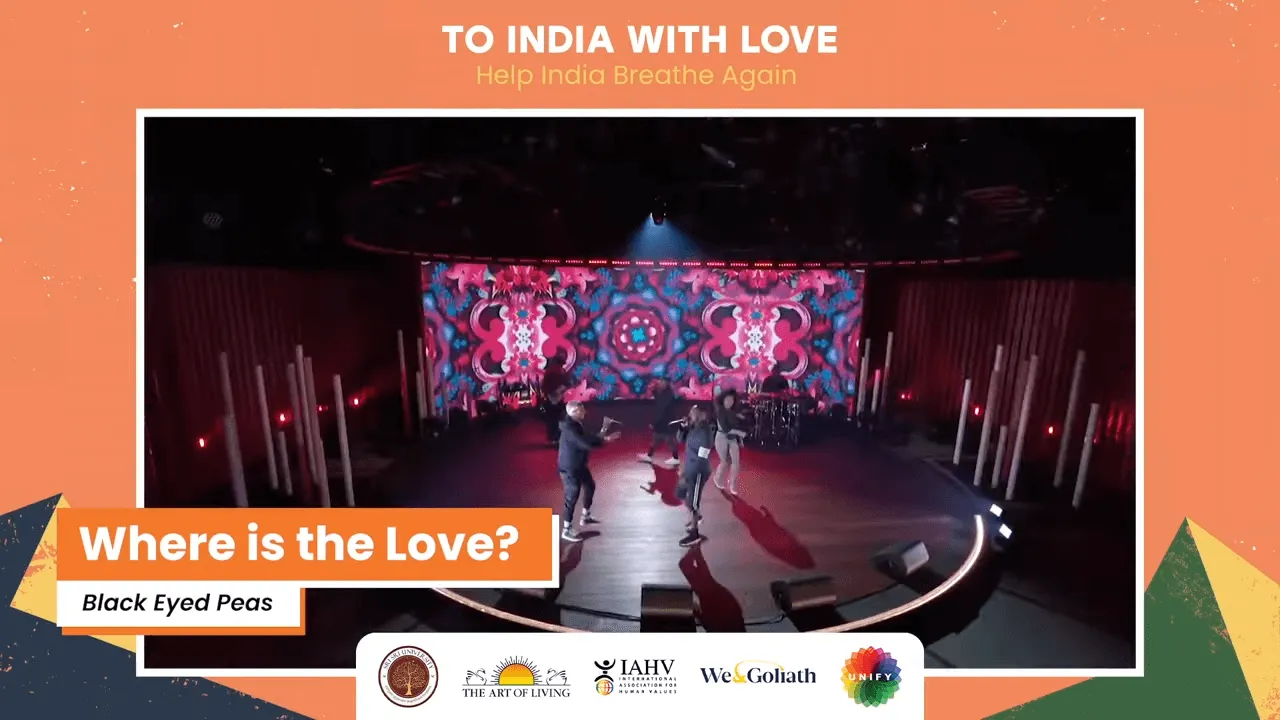
    To India With Love: Help India Breathe Again (2021)

    Virtual Fundraising Concerts & Festivals

    Virtual concerts and festivals have unique qualities and strengths. While they might lack the energy of more traditional, live concerts, they also ushered in new activities and audience expectations that are often not found in exclusively live music events. These attributes evolved out of the need to confront what virtual music performances don’t have: the human proximity of dance, movement, and sensations. How many musicians sound cleaner or more flawless live compared to their professional studio recordings? People don’t go to concerts to catch flawed renditions of their favorite artists, they go to enjoy that artist alongside others who share their passion.

    This is why virtual concerts and festivals offer unique activities like break-away sessions and workshops that give real value to attendees. The point of these is not to replace the indescribable satisfaction of human proximity, but to give attendees a purpose around which they can interact.

    It’s best if this purpose involves nuance. Challenge your attendees with subject matter they care about but might never have discovered on their own. For example, if the festival was on Earth Day, there could be a breakout session where a band member talks about her/his personal story on why they came to be an environmentalist (a near-perfect opportunity for pre-recorded material, too!). This would give die-hard music fans a window into the lives of the artists they love. Couple that with a call-to-action or fundraising ask, and you can almost guarantee some donations.

    More importantly, you’re giving your attendees value that they wouldn’t have received at the in-person event. It is a value that can’t — and shouldn’t — be compared to the value of human proximity. But it is a value, newly uncovered in the virtual concert & festival space.

    Bring performers together and host a concert or a mini-festival that will benefit the communities that your organization serves. It’s best to tap artists who are also passionate about your cause. You can even go big and reach out to globally-known artists. Since you’re hosting a virtual concert, you have the chance to reach more people, even those who are on the other side of the globe.

    You can also organize an online meet-and-greet or moderated chat with the performers for additional donations to your cause.

    NSBE – Austin Professionals: Virtual Movie Night (2020)

    Virtual Movie Night

    Virtual movie nights hold more appeal since many people are already used to streaming movies at home. Choose a film or documentary that’s relevant to your organization’s projects. But instead of charging the attendees for tickets, ask them to donate to your cause. Make the experience streamlined for them by including a donation button on your event website or your nonprofit’s website.

    If the guests are highly engaged, you may want to consider allotting some time for discussion at the end of the movie. This way, you’re sure that they understand what your cause is about.

    REFORMA Los Angeles: Silent Auction Scholarships Fundraiser (2020)

    Virtual Auction

    A live auction is a great way to raise funds. The same goes for virtual auctions. Consider setting up a website or a page on your organization’s website where all items can be viewed and bid on.

    On the website or page, make sure to include high-quality content to help the participants understand why you are raising funds. This makes them feel more involved and connected. When people feel connected to a cause, they are more likely to bid higher.

    Carve out time to coordinate the bids and then announce the winners either through a dedicated live stream or during one of your virtual events, like a virtual gala.

    There are numerous online auction platforms available for you to explore, or you can ask your event consultant for their recommendations.

    Run Your City Series: Heritage Day Virtual Run (2020)

    Virtual Race

    Yes, even races can be done online, as mentioned above. You only need to ask the participants to have a tracking app or device on them to show proof of miles logged or calories burned. If you have sponsors who are willing to give away prizes or goodie bags, you can still do so. Ship the packages to the participants or have them pick up their bags at specific locations before or after the virtual race. This is even how the 125th Boston Marathon was run in 2021!

    SNAP Charity’s Virtual Quiz Night (2022)

    Virtual Quiz Night

    A lot of people may be missing their Wednesday happy hour trivia nights. So, why not bring the experience to them in the form of a virtual quiz night?

    Choose a quiz theme that relates to your organization’s mission and work. If you can, put together a quiz night package filled with drinks or snacks that your attendees can enjoy during the event. To keep the funds coming in, you may want to consider making it a weekly event. Make a ticket price more affordable and keep the event light and fun. Your supporters will be coming back for more.

    The Outback Experience: Online Photography Workshop for Kids and Teens (2021)

    Virtual Workshops

    As more people take advantage of this time to hone their skills and learn new ones, virtual workshops and classes are popular right now. There are various options for you to choose from. You can invite an expert to donate their time and expertise to the cause, and you can ask attendees to donate to secure their slots.

    As for the workshop options, it’s best to choose something that your community is interested in. Maybe you can do a survey or a social media poll and ask them what they want to learn. Perhaps it’s mixology, a foreign language, public speaking, or knitting. The guests will not only walk away having learned something new, but your organization will also have enough funds to further your mission. Everyone wins.

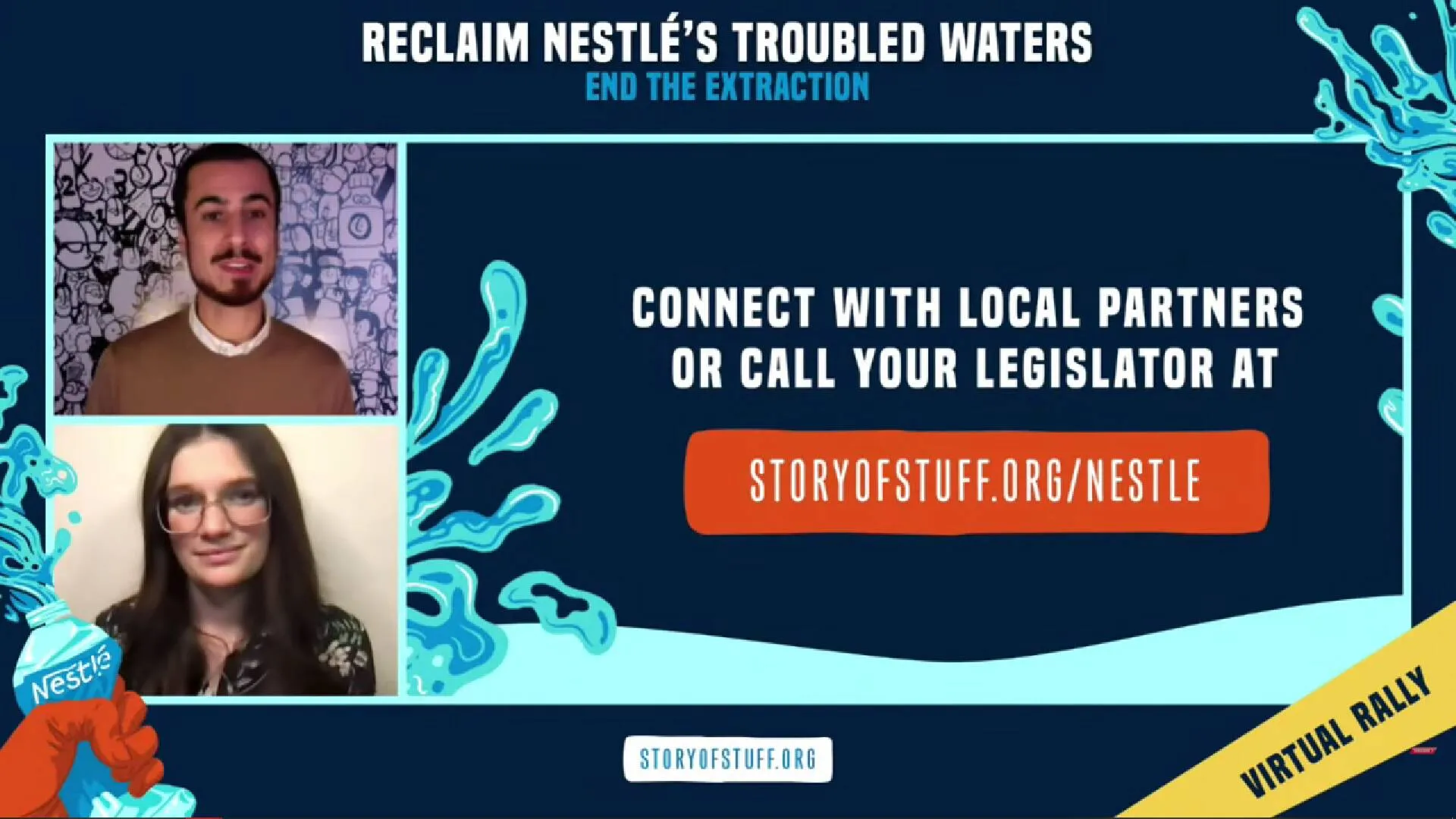
    The Story of Stuff Project: Reclaim Nestlé’s Troubled Waters (2021)

    Fundraising Webinar Series

    Fundraising webinar series are a phenomenon that have gained special traction since the onset of the COVID pandemic. They are a great way to keep your supporters up-to-date while also keeping your project well-funded. Reach out to experts, speakers, or community leaders, and ask them to put together a short webinar about current events or your organization’s mission. Charge a small fee for the participants to access the webinar.

    You can also offer donation tiers to get the most out of the virtual fundraiser. The higher the donation tier, the more perks the donors get. Maybe they could have a Q&A with the speaker or a roundtable discussion with the speaker and other donors in the same tier.

    Donation Matching

    It’s normal for donations to taper off after a large event. If this is the case for your organization right now, you might want to consider donation matching. Reach out to local or national companies, and ask if they can match a percentage of donations you receive during a specific period. This is a great way to encourage more people to donate because they know that their contribution can go a longer way. As for the companies, the donation matching can be included in their corporate social responsibility programs. This is also good publicity for the companies.

    Social Media Fundraisers

    So much can be done through a social media campaign. Challenges work incredibly well on social media. A great example is the UN’s #danceforchange campaign on TikTok. The challenge is about persuading global leaders to invest in rural youth and agriculture, which also affects the organization’s fight against world hunger.

    Before you begin your social media challenge, make sure to identify which platform to focus on. Ideally, this is the platform where your target audience spends a lot of time. Then formulate a social media strategy and create compelling content.

    Make sure to lead your followers to your donation page in every social media post you create. On Instagram, people can already make donations from your profile, so you might want to explore that.

    Email Fundraising Campaigns

    Email is not new to the fundraising space. But the good thing about emails is that you can deploy them all year long. It’s one of the most cost-effective and conversion-rich forms of digital marketing, and you should take advantage of it. Make sure every email includes an emotional and persuasive story, compelling and high-quality visuals, and a call-to-action that expresses urgency.

    How Do You Engage Donors Virtually?

    Cultivating relationships with donors may be challenging if you can’t meet them in person. But, as with all other things we discovered during the pandemic, there are ways to build and maintain genuine connections with them.

    Ask Them For Their Advice & Ideas

    People typically become more committed to a project if they are asked for their ideas or advice. So, why not ask your donors for their opinions?

    First, start small. Get in touch with a few of your supporters, donors, advisors, and even volunteers. Schedule a video call with everyone so you can brainstorm for future initiatives. Include them in your plans and watch their engagement increase.

    Offer Insider Access

    Make your supporters feel like they are a part of something exclusive. Select a group of people and offer them VIP experiences. Some ideas include a private socially distanced or virtual musical performance, a behind-the-scenes virtual tour to your organization’s facilities, or host invite-only auctions.

    Don’t Forget Donor Recognition

    Show your donors how much you appreciate them through a well-thought-out virtual event. It can be a philanthropy awards ceremony of sorts or a virtual ceremony for the program participants. You can also acknowledge them on your organization’s website or other promotional materials.

    What Are The Benefits Of Virtual Fundraising?

    According to some surveys, more than half of donors worldwide prefer to donate online. Online giving is increasing every year. Statistics show a 27% increase in overall online revenue for nonprofits in 2017 compared to the year before that. As more people spend more time online, you might as well be present online, since that’s where their donations are migrating, too.

    It Saves Your Organization Time And Money

    A donation given online is automatically entered into a database. Donors get an automatic thank you email and tax receipt. You don’t need to do anything to make it all happen.

    When you raise funds online, the process is automated. There’s no need to enter and keep track of information manually. This reduces overhead costs and allows your organization to focus on executing the work.

    Better And More Accurate Data

    Since the process is automated, you also get immediate access to that data. You can track incoming funds in real-time. Furthermore, this eliminates manual entry, reducing chances for human error, no more missing or adding zeroes when logging donations. This process allows you to allocate the funds to your programs more efficiently.

    It Expands Your Reach

    A virtual fundraiser allows you to reach anyone anywhere in the world. Thus, you maximize your donor base with minimal effort. Nonprofit organizations that establish strong community engagement in virtual events have a new arsenal going into post-pandemic event planning as they return to in-person fundraising event planning. They can activate their digital communities with hybrid fundraising events. For some nonprofits, this can mean exponential audience growth.

    What Are The Drawbacks Of Virtual Fundraising?

    Just like in-person fundraising events, virtual fundraising has its fair share of disadvantages. One, there’s a possibility that donors will give less than the amount they usually would give in person.

    Two, although an email campaign is an effective method for raising awareness, reaching your audience, and raising funds from your supporters, some donors may give less than they usually would in person

    Online donating may provide donors with the feeling of being removed from reality. While this empowers some people to give more, other people might feel less pressure to give. You always have to account for this possibility.

    Another con to watch out for is technical difficulties. You have to make sure that your donation channels are running smoothly all the time. A glitch spells the difference between hitting your targets and barely breaking even.

    How Do I Pivot To Virtual Fundraising?

    COVID-19’s impact on fundraising has been the number one challenge for many nonprofit organizations. Because of canceled fundraising events, most nonprofits report raising fewer funds than what they initially budgeted for their programs. However, a few are saying that they have raised more than their original target.

    So, how do you navigate this virtual fundraising landscape? Just go for it.

    While some organizations paused their fundraising efforts, others pivoted to virtual and hybrid fundraising events. Those who have found success in virtual fundraising say that mobile optimization and creative donation options are crucial to engaging a virtual event audience.

    If you’re not sure how to pivot to virtual or hybrid, We & Goliath can help. We’ll guide you every step of the way so you can continue hitting your targets not only this year but also in the years to come.

    Virtual fundraising will play a significant role in most nonprofits’ fundraising efforts in 2021 and beyond. So it’s best to learn how to pivot now than to figure it out down the road.

    How To Implement Virtual Fundraising Ideas

    The first thing you’re going to need to implement your virtual fundraising ideas is finding a nonprofit event planner. This person typically has already organized many in-person and virtual events and knows how to put together a meaningful virtual fundraiser to help you achieve your targets.

    Next, you will need a solid team. Some of the typical event planning positions you need to fill include the following:

    Project Manager – This person is vital to the success of your entire virtual event. They oversee the strategy and design of the event, including logistics. The project manager also coordinates with all the virtual event’s stakeholders. They also typically monitor the event budget and provide the staffing plan for the day of the virtual event.

    Registration Manager – As with in-person events, virtual events also need someone to take charge of all things registration, including the registration launch, participant sign-in, data collection, and checking in participants during the event. They are also responsible for ensuring that participants receive their event materials, including items delivered before, during, and after the event.

    Sponsorship Manager – This person manages all aspects of the sponsorship process, including sponsorship design, outreach and sales, fulfillment, and post-event follow-up.

    Marketing Manager – This person is in charge of marketing the event and coming up with the social media strategy and branding before, during, and after the event.

    Talent Manager – If your virtual event has talents, such as speakers or performers, you will need someone to manage them. The talent manager coordinates with the speakers or the performers, including collecting materials or content required for their presentations or performances, coordinating advance recordings, and working with the director during the virtual event.

    What Is Hybrid Event Fundraising?

    Hybrid fundraising essentially offers you the best of both live events and virtual events. For example, you want to host a gala. You can have half your attendees dress up and go to an actual event venue, and the other half can Livestream the in-person event in the comfort of their homes.

    This setup is beneficial not only during this time of social distancing but also in the future when you need to expand your reach. Some of your supporters may live in other states or on the other side of the world. Hybrid events allow them to still be a part of your event.

    Although organizing a hybrid event might feel like you’re prepping for two separate occasions, your organization will reap the benefits. And once social distancing ends, many in-person events will continue to include a virtual component for broader audience reach.

    Furthermore, virtual events allow you to boost your donor engagement as you can get in touch with them in meaningful ways in between annual or period events. Now is the time for nonprofit organizations to consider both virtual and hybrid events in their fundraising arsenal!

    Creative Virtual Fundraising Event Ideas

    Here are some examples of virtual fundraising events to get you started.

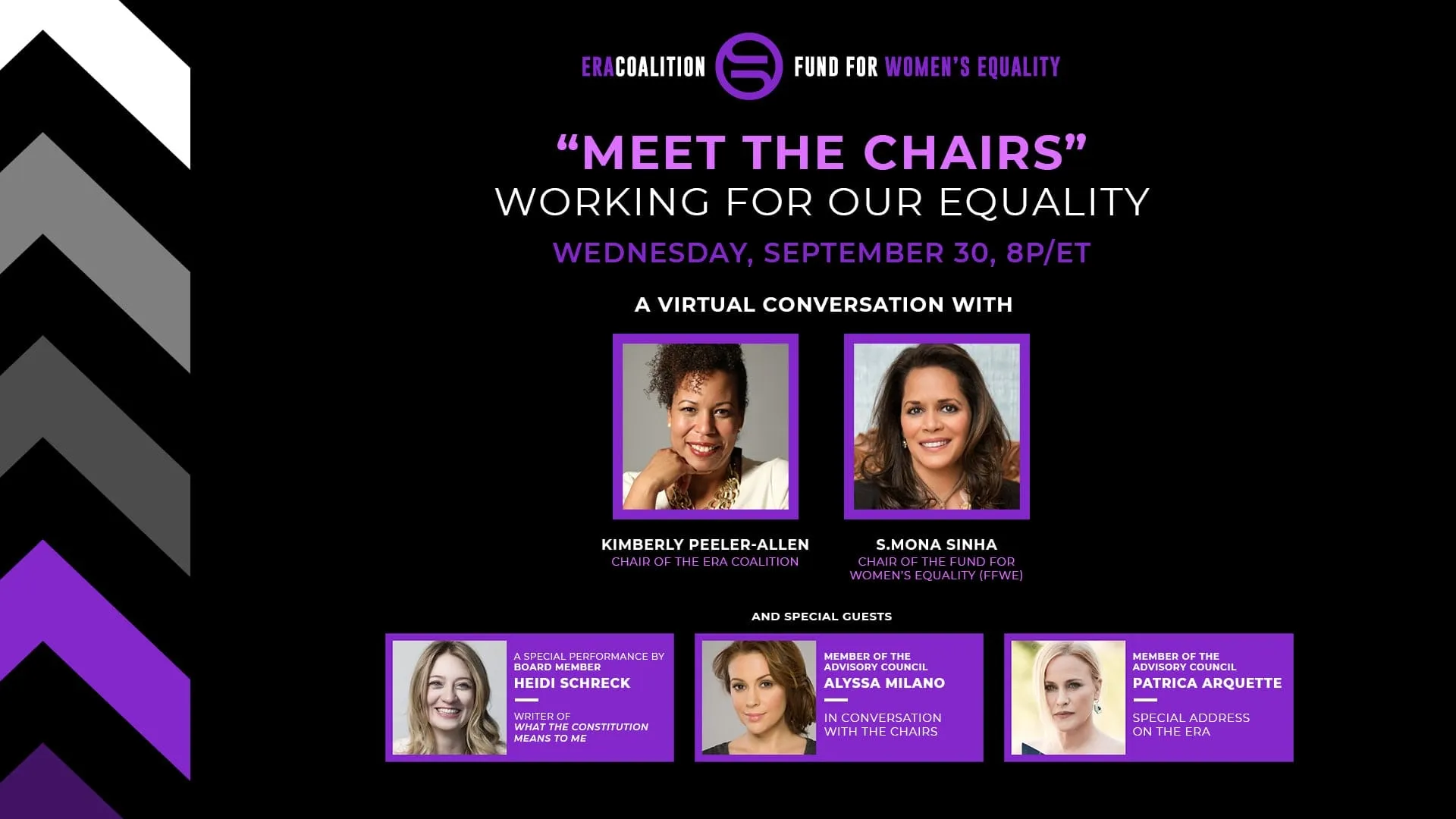
    Equal Rights Amendment Coalition: Meet The Chairs

    The Equal Rights Amendment Coalition, representing over 100 organizations nationwide, wanted to hold a virtual public conversation about equity in the judicial system. They wanted a panel-based conference and fundraiser with an impressive speaker roster that included Alyssa Milano, Ilyasah Shabazz, and Patricia Arquette.

    The panel was called “Meet the Chairs.” We & Goliath met the challenges of the conference, although they had to pre-record the parts of some of the panelists who couldn’t be present live because of conflicting schedules. We also designed and built a conversion-optimized landing page with information on donation levels included in the post-event VIP reception.

    Meet the Chairs turned out to be a streamlined experience. The event flow was attentively timed and interwoven with diverse sets of live and pre-recorded content. Meanwhile, the event landing page served as a registration and attendance gateway and political calls-to-action, including a petition to ratify the ERA, and an interactive database showing where candidates stood on pertinent issues.

    Seattle Shakespeare Company: Bill's Bash

    At the height of COVID-19, Seattle Shakespeare Company decided to take Bill’s Bash, their yearly fundraiser and gala, online. The event featured many fun events, like a peer-to-peer fundraising segment, an online silent auction, and downloadable coloring books.

    The success of this fundraiser style lies in the many multiple ways participants can get involved. Not everyone will want to participate in the auction, but they might want to download some pages they could color. Everyone gets a chance to donate and have fun in the process.

    Save One Life, Inc.: At Home Everest Challenge

    To mark the anniversary of their executive director’s climb to Mt. Everest (despite his hemophilia), Save One Life came up with the idea for a creative fundraiser that would ask participants to walk 2.9 miles, climb 29 flights of stairs, ride 29 miles, or swim 29 rounds. The number is a nod to Mt. Everest’s height: 29,029 feet. Participants donated $29 to Save One Life and challenged nine friends to do the same to join the challenge.

    The success of this fundraiser lies in its originality. Although you have seen other races challenge people to run 5K, you haven’t heard of another organization challenge people to climb 29 flights of stairs to save other’s lives. So, put your thinking cap on, and don’t be afraid to get creative.